Book Writing
 Book Cover Design
 Book Editing
 Book Formatting
 Book Publishing
 Book Video Trailer
 Book Printing
 Audio Books
 Book Illustrations
 Author Website
 Amazon Page Optimization
 Book Marketing
 Fiction Writing
 Non-Fiction
 Autobiography
 Memoir
 Novel Writing
 Children's Book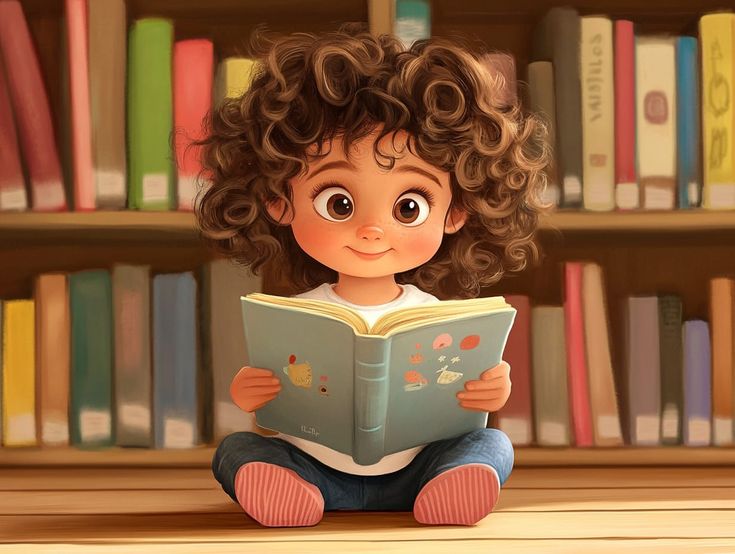
You finished writing your children’s book. That part was hard and you did it anyway. Now you are sitting with a completed manuscript and someone, maybe an illustrator you reached out to, maybe a friend who has been through this process, maybe just a voice in your own head, is asking what illustration style you have in mind.
And you realize you genuinely do not know how to answer that.
Soft and painterly? Bold and graphic? Whimsical? Realistic? Detailed? You have feelings about it. You have probably saved some images you liked on Pinterest or bookmarked a few illustrators whose work caught your eye. But when it comes to making an actual decision, one you can explain and defend and build a project around, the ground feels pretty uncertain.
That is completely normal. Choosing an illustration style is not like picking a font or deciding on a color scheme. It is a storytelling decision. It is one of the most important decisions the whole book depends on. And if you are publishing through Kindle Direct Publishing or managing your Author Central Profile, every single one of those decisions belongs to you. This complete guide walks you through all of it.
Table of Contents
- Why Illustration Style Does More Work Than You Think
- The Main Illustration Styles in Children’s Publishing
- Matching Style to the Age of Your Reader
- Matching Style to What Your Story Is Actually About
- How Your Publishing Path Changes the Conversation
- Reading the Market Before You Decide Anything
- Working With an Illustrator to Land on the Right Style
- The Mistakes That Cost Authors the Most
- Building Your Visual Reference Library
- Questions Worth Asking Before You Commit
- Frequently Asked Questions
- Conclusion: Style Is a Story Choice
Why Illustration Style Does More Work Than You Think
Here is a small experiment worth trying. Next time you are in a bookstore with a children’s section, walk over and look at the covers from about four or five feet away. Do not pick anything up. Do not read any titles. Just look.
What you will notice is that you already know things about each book before you have read a single word. That one is funny. That one is gentle and tender. That one is for babies. That one is for kids who are a bit older. You are extracting all of this information purely from how the illustrations look, the style, the color, the energy, the way the characters are drawn.
That is not an accident. Illustration style communicates emotional register, intended audience, genre, and the whole personality of the book in a single glance. It is not decorative. It is functional. For authors building their Author Central Profile and listing books on Kindle Direct Publishing, this matters enormously because your cover thumbnail is often the very first thing a potential buyer sees on Amazon. When the style is right, the book feels like a coherent whole. When the style is wrong, even very young children can sense the mismatch and they will push the book away without being able to explain why.
💡 Key Takeaway: Illustration style is not a finishing touch. It is a core storytelling decision that shapes how your book is received before a single word is read. Treat it accordingly from the very beginning of your project.
The Main Illustration Styles in Children’s Publishing
Before you can make a smart style decision, you need a working vocabulary for the options. Here are the five major approaches every children’s book author should understand.
Watercolor and Traditional Media
Watercolor has been the visual language of children’s books for generations and that is not a coincidence. There is a softness to it, a quality of light and warmth, a slightly dreamlike quality that feels genuinely handmade. Gouache adds a matte retro warmth that works beautifully for folk tales. Ink and pencil feel intimate and immediate. If your story is quiet, emotionally gentle, or rooted in nature, traditional media is worth exploring seriously.
Bold Graphic and Flat Digital
At the opposite end of the spectrum sits the bold, flat, graphic illustration style that has dominated children’s publishing for the past decade. Clean lines, flat color areas, strong geometric shapes, and high contrast throughout. It reads instantly at almost any size, which is a large part of why it became so common in an era when most books are first discovered as small thumbnails through Amazon or social media. It reproduces reliably across printing conditions, which matters especially for Kindle Direct Publishing print on demand titles.
Loose and Expressive Painterly
Between flat digital precision and watercolor delicacy sits an enormously rich territory of looser and more expressive painterly approaches. These are styles where the mark making is visible, where the texture of the medium is part of the visual experience. Many of the most celebrated and enduring picture books of the last several decades live somewhere in this territory. It tends to age well in a way that very trend specific styles often do not.
Cartoon and Character Driven
Exaggerated proportions, simplified but intensely expressive features, heavy emphasis on character personality and humor. Cartoon illustration communicates tone immediately and without ambiguity. For series fiction listed on your Author Central Profile, cartoon approaches have a specific advantage. A strongly defined cartoon character is instantly recognizable across multiple covers, which builds real reader loyalty over time.
Realistic and Detailed
Realistic illustration tends to appear most often in nonfiction, historical fiction for older children, and nature or science titles. The defining commitment is rendering things with enough specificity that they feel genuinely observed rather than invented. Done with real skill this can be extraordinary, but it can feel cold or inaccessible if the subject matter and age group do not call for it.
💡 Key Takeaway: No illustration style is universally better than another. The right style is the one that fits your specific story, your specific reader, and the specific emotional experience you are trying to create. Match the style to the story, not to your personal taste.
Matching Style to the Age of Your Reader
Age group is one of the most reliable anchors for illustration style decisions on any children’s book project.
Babies and Toddlers, Ages 0 to 2: Very young children respond most strongly to high contrast, simple forms, bold saturated colors, and clear separation between foreground and background. Simplicity is not a creative limitation here. It is the appropriate visual language for how young children actually process what they see.
Picture Book Ages, 3 to 8: This is the widest and most flexible age range. Children in this group can process considerably more visual complexity. The non negotiable is emotional clarity. Character expressions need to be readable from across a room. The emotional arc of the story needs to be visible in the pictures even if you covered the words entirely.
Early Chapter Book Ages, 6 to 10: Once children start reading independently, illustrations shift from carrying the story to enriching it. Expressive, character focused styles tend to work well. Highly realistic styles can occasionally feel at odds with the reading experience unless the specific content genuinely warrants them.
Middle Grade, 8 to 12: Illustrations are relatively uncommon in middle grade fiction but when they exist they tend to be noticeably more sophisticated. Readers this age can handle real visual complexity and are often actively put off by styles that feel simplified or age inappropriate.
💡 Key Takeaway: Understanding why age conventions exist, not just what they are, helps you make smarter calls when your book sits at the edge of an age range or does not fit the expected pattern cleanly.
Matching Style to What Your Story Is Actually About
Stories That Are Primarily Funny: Visual comedy is a genuine skill. You are not just assessing technical competence when you look at portfolios for a funny book. You are looking for evidence of actual comic timing in the visual work, either exaggerated cartoon energy or a deliberately deadpan approach where the gap between text and image becomes the joke itself.
Stories About Feelings and Quiet Moments: Books built around emotional experience need illustration styles with softness, warmth, and intimacy. Watercolor and painterly approaches tend to serve grief, love, belonging, and change most effectively. The quality you are looking for is an illustrator whose work creates atmosphere rather than just accurate depiction.
Stories With Action and Energy: Highly detailed, tightly rendered styles can actually work against you in action forward stories because precision tends to slow down the visual experience. Looser, more gestural approaches with strong compositional energy communicate movement considerably more effectively.
Concept and Learning Books: Visual clarity is the first and most important priority. Bold, graphic, flat styles excel here precisely because they strip away textural complexity and tonal subtlety that can introduce visual ambiguity.
Fantasy and Invented World Stories: More detailed and considered approaches serve world building stories better than very loose or gestural ones. The reader needs enough visual specificity to actually believe in where the story is happening.
💡 Key Takeaway: Age group gives you a starting framework. The specific nature and emotional register of your story refines it considerably. Always run both filters before you make a final style decision.
How Your Publishing Path Changes the Conversation
If Traditional Publishing Is Your Goal: The honest reality is that the illustration style decision is largely not yours to make. Traditional publishers almost always select and direct the illustrator themselves. Do not commission illustrations before finding a publisher. Agents and editors tend to view pre commissioned artwork as evidence the author does not quite understand how the industry works.
If You Are Self Publishing Through Kindle Direct Publishing: Every visual decision is yours. There is no art director to catch a style mismatch before the book goes live on Amazon. This makes market research genuinely important, not to copy what is selling but to understand the visual landscape your book is entering. Factor in financial implications too. More detailed illustration styles cost more to produce and often cost more to print at quality. Fine linework and subtle color gradations can suffer meaningfully under standard print on demand conditions. Research your printer’s capabilities before you commit to any style direction.
💡 Key Takeaway: If you are self publishing through Kindle Direct Publishing, the illustration style decision has direct financial consequences. More visual complexity means higher production costs and potentially higher per copy print costs. Factor this in early, not as an afterthought.
Reading the Market Before You Decide Anything
The most underused resource in the entire illustration style decision process is the actual current market for children’s books, not your personal favorites and not the books you grew up with.
Get into a physical bookstore and really look. Screens genuinely flatten and compress the visual qualities that matter most. The texture of a painted background reads completely differently when you are holding the book than it does on a monitor.
Study award winners analytically, not just appreciatively. Ask yourself what the illustration style is actually doing for each specific story and what would be lost if the approach were different.
Do not only look at the bestsellers. The midlist shows you what the market actually looks like day to day. Spend time looking at books that are not famous but are selling consistently in your target age group and genre.
Go narrow in your research. The visual conventions for funny contemporary picture books are genuinely different from those for quiet bedtime books. Study your precise niche and your style decision will be considerably better informed.
💡 Key Takeaway: Real market research means studying the actual current visual landscape of your specific niche, not just the books you personally love. The more narrowly you can focus your research, the better your style decision will be.
Working With an Illustrator to Land on the Right Style
Lead with visual references, not just words. Words like warm or whimsical mean genuinely different things to different people. A specific published spread communicates instantly and precisely in a way that verbal description never quite achieves.
Do not rush the character development phase. This is your best opportunity to make substantive course corrections before page illustrations begin. Ask to see multiple character directions. Check how characters read at different sizes and in different emotional states. Do not sign off until you are genuinely confident.
Stay engaged without taking over. The two failure modes are being so hands off that the illustrator cannot get useful direction, and being so controlling that the illustrator cannot exercise the creative judgment you are paying for. Neither produces the best book.
💡 Key Takeaway: The character development phase is your single best opportunity to get the style direction right before costly page work begins. Take it seriously, ask for multiple directions, and do not move forward until you are genuinely confident in the design.
The Mistakes That Cost Authors the Most
Choosing what you love rather than what the story needs is the most common and most costly mistake. Personal aesthetic preference is a legitimate input into the style decision. It is not the only one.
Assuming more expensive means more appropriate is a mistake that shows up again and again. Some of the most enduring picture books ever made use visual approaches of extraordinary simplicity. Let the story’s needs determine the style. Then figure out the best illustrator within your budget.
Ignoring print reproduction realities is especially important for Kindle Direct Publishing authors. What looks right on a screen needs to also work in the actual printed book your reader holds.
Changing direction after the work has started is one of the most expensive things that can happen on a children’s book project. Get the direction genuinely confirmed before page illustrations begin.
Not checking for consistency across a portfolio is a mistake that leads to finished books that feel visually incoherent. The consistency of quality across everything an illustrator shows you matters more than the quality of their single best piece.
💡 Key Takeaway: The single most expensive mistake you can make is changing your style direction after page illustrations have begun. Use the character development phase to get it right the first time.
Building Your Visual Reference Library
One of the most practically useful things you can do before any conversations with illustrators is build a real visual reference library. Not a vague Pinterest board of images that generally appeal to you, but a specific, intentionally curated collection that genuinely communicates what you are looking for.
This takes time and the time is worth spending. Verbal descriptions of visual qualities are notoriously unreliable. Images do not have that problem. Your reference library might include published picture books whose overall atmosphere captures something of what you want, illustration work from artists on Behance or Instagram that speaks to specific qualities you are drawn to, color palette examples that resonate with your story’s emotional tone, and character design examples that feel in the territory of how you are imagining your protagonist.
Collect these references with intention. Keep notes about what you are pointing to in each one and why it matters for your specific book.
💡 Key Takeaway: A well built visual reference library does more communicative work in your early illustrator conversations than any written brief ever could. Build it before you start reaching out, not after.
Questions Worth Asking Before You Commit
Does this style actually match the emotional tone of my specific story, or does it just look good on its own?
Does this style speak to the child this book is for, or does it mostly speak to the adult who will be buying it?
Is there a real commercial audience for this visual approach in my target category right now?
Can I realistically find an illustrator who can execute this style consistently and professionally within my actual budget?
Will this style reproduce reliably in the printing format I am planning to use?
Am I falling in love with reference images that are genuinely within the range of what my illustrator can deliver?
💡 Key Takeaway: Sitting honestly with these questions before you commit to a style direction can save you from decisions that are expensive and difficult to undo later in the project.
Conclusion: Style Is a Story Choice
There is a common tendency to think of the illustration style decision as something that happens after the important decisions are finished. It is not. It is one of the real decisions. It shapes how your story is received before a single word is read. It communicates your intended audience, the emotional register of the content, and the kind of experience waiting inside the book.
Whether you are setting up your Author Central Profile, launching your first title through Kindle Direct Publishing, or working through the illustration decision for the first time, the authors who get this right share a few things in common. They take the decision seriously. They do real market research. They build specific, curated visual reference libraries. They think carefully about what their particular story needs visually and what their particular young reader is genuinely equipped to receive.
None of that requires formal training in art or design. It requires curiosity, patience, and genuine willingness to spend time learning to look at children’s books the way a thoughtful visual storyteller would. Bring that kind of attention to this decision and you give your book a visual foundation that holds everything else together from the first page to the last.